

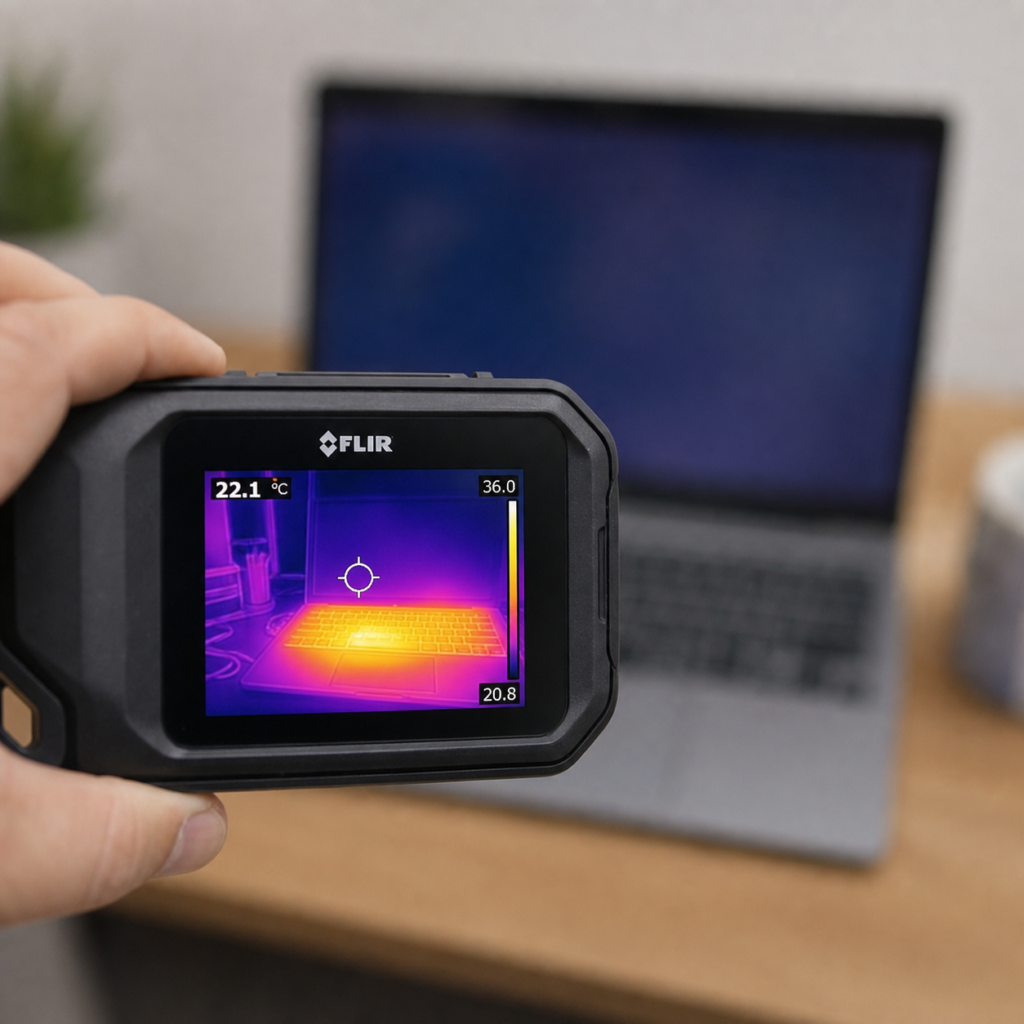
Thermal Imaging Makes Hidden Pests Visible
As modern pest control evolves, professionals are increasingly using thermal imaging infrared cameras to detect pests that remain hidden from ordinary sight. These advanced cameras capture temperature differences emitted by living organisms and structures, making it possible to locate rodents nesting in walls and wasp nests inside cavities without invasive inspection.
By mid to late summer, when rodent activity increases as they seek shelter and wasp colonies reach maximum size, thermal imaging becomes especially valuable. Domestic premises often provide ideal hiding spots such as lofts, cavity walls, behind brickwork, and under roof eaves – locations that are difficult to access visually but clearly visible through infrared technology.
Why Traditional Inspection Falls Short
While visual inspection can identify obvious pest signs like droppings or surface-nested wasps, it fails when pests hide inside structures. Rodents routinely nest inside wall cavities, lofts, and behind insulation where they remain completely hidden. Wasp nests built inside air bricks, cavity walls, or behind shed corners are equally invisible without destructive investigation.
For homeowners, this means pest problems can grow significantly before detection. A rodent family nesting inside your wall could be growing for months before you notice any signs. A wasp nest hidden inside a cavity wall could reach hundreds of insects before flight paths become visible. This delay makes treatment more difficult, more expensive, and potentially more dangerous.
How Thermal Imaging Infrared Cameras Work
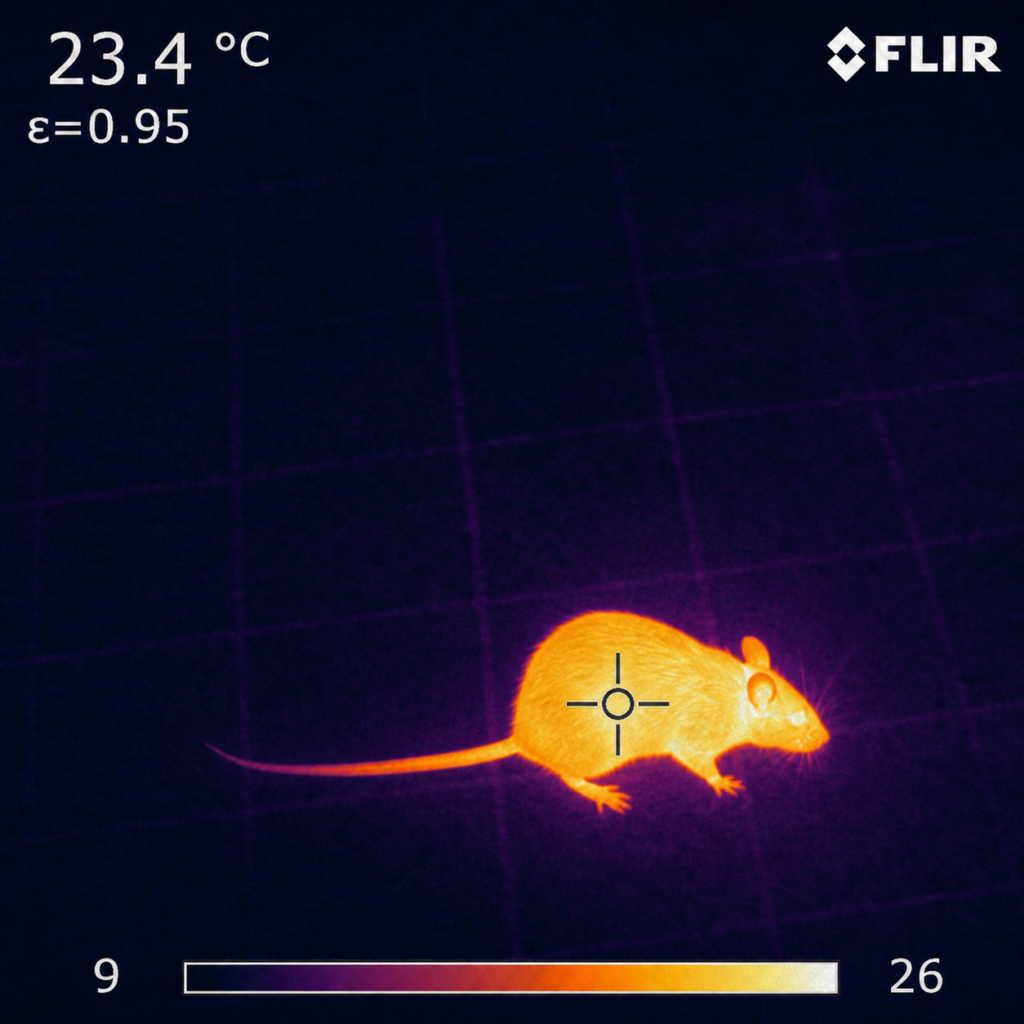
Thermal imaging cameras detect infrared radiation (heat) emitted by all objects and convert it into a visible image. Different temperatures appear as different colors – typically warmer areas show as reds, oranges, or yellows, while cooler areas appear as blues or purples.
Detecting Rodents
Rodents have body temperatures significantly higher than surrounding building materials. A mouse or rat inside a wall cavity creates a distinct warm spot that stands out clearly against the cooler background of insulation, wood, or brick. The camera can detect individual rodents moving inside walls or lofts, nesting clusters showing concentrated warm areas, active pathways where rodents regularly travel, and multiple entry points used by rodent families.
Locating Wasp Nests
Wasp nests generate heat through the collective body temperature of hundreds of insects clustered together. A large wasp nest inside a cavity wall creates a significant warm zone that thermal cameras can identify from outside the building. The technology reveals nest location inside wall cavities before flight paths are visible, nest size and colony strength based on heat intensity, multiple nests on the same property, and nests hidden in lofts, sheds, or behind brickwork.
The Pest Control Advantage of Thermal Imaging
Using thermal imaging provides several critical advantages over traditional inspection methods:
Non-Invasive Detection: Thermal cameras detect pests without drilling holes, removing brickwork, or destroying insulation. Homes stay intact during inspection, there’s no unnecessary damage to property, faster identification reduces treatment time, and homeowners avoid costly repair bills.
Early Detection Prevents Major Problems: Thermal imaging can identify pest activity at the earliest stages – single rodents entering walls before families establish, small wasp nests when colonies are still manageable, multiple entry points before pests spread throughout the property, and hidden activity before visible signs appear.
Accurate Targeting Improves Treatment Success: Knowing exactly where pests are located means treatments hit the right spot. Insecticides applied directly to nest entrances, rodent traps positioned at active pathways, minimum chemical use since location is precise, and complete eradication because all activity points are found.
Safety Enhancement: Thermal imaging reduces risks for both technicians and homeowners. No need to disturb aggressive wasp nests during inspection, rodent locations known before entering contaminated areas, hidden electrical hazards from rodent damage detected early, and professional assessment without physical confrontation with pests.
Call in the Experts
If you notice unusual rodent activity like scratching in walls, or suspect a wasp nest with increased insect activity around your property, don’t wait. Contact CSS Pest Services to perform a thermal imaging inspection and safely locate and remove your pest problem.
Thermal imaging transforms invisible pest threats into visible, treatable problems – giving you the early detection advantage that prevents serious damage, dangerous stings, and costly emergency treatments.