

INSECT CONTROL
Step 1: Identify the pest
We provide comprehensive insect control solutions for both residential and commercial properties. All our service technicians are qualified to British Pest Control Association (BPCA) standards, and we follow robust, carefully designed protocols with strict safety controls. Our team delivers fast, discreet, and effective treatments tailored to your needs.
In addition to resolving infestations, we also offer inspections, building surveys, and expert advice to help prevent future insect problems.
Select the pest type below to learn about our targeted control methods:
❓If you’re unsure what pest you’re dealing with, provide the details of your problem in the form below and we will help you identify it.
know your pest
Ants are small, social insects that live in large colonies, often found in or around buildings. The most common types in the UK include the black garden ant, pharaoh ant, and red ant. They typically nest in soil, under paving, in walls, or near kitchens and food storage areas where food and moisture are easily accessible.


Black Garden Ant
Pharaoh Ant
Red Ant
About Infestations
Once established, colonies can be difficult to remove and may contaminate food supplies and create an unhygienic environment for both homes and businesses.
Our Methods
At CSS Pest Services, we use professional-grade treatments to target both visible ants and their colonies at the source. Depending on the situation, we may apply gels, sprays, or bait systems that are safe for use around people and pets.
After treatment, we offer expert advice and preventive measures such as sealing entry points, improving hygiene practices, and reducing attractants to prevent future infestations.
know your pest
They are typically found in kitchens, bathrooms, boiler rooms, or anywhere food, warmth, and moisture are present – making both homes and commercial kitchens particularly vulnerable.
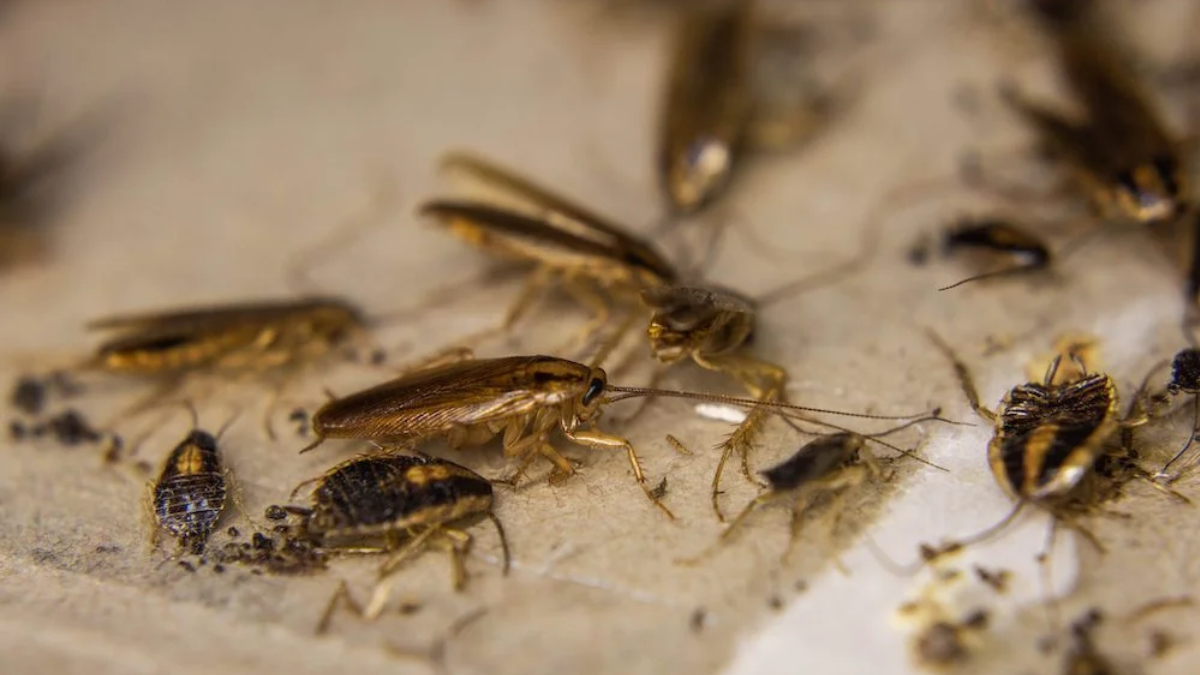
German Cockroach
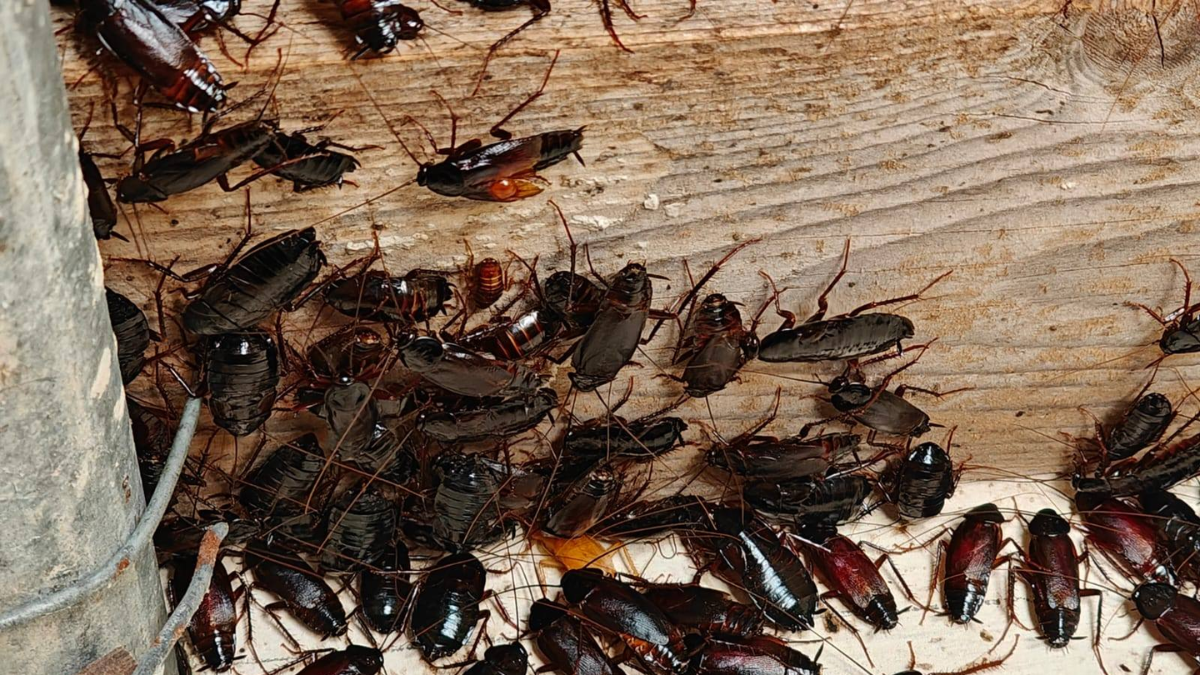
Oriental Cockroach
About Infestations
Cockroaches can enter through drains, packaging, or structural gaps, and quickly multiply if left untreated. They pose serious health risks by carrying bacteria such as Salmonella and Dysentery, contaminating food and surfaces.
Their shed skins and droppings can also trigger asthma and allergies, creating hazardous conditions – especially in food handling or hospitality environments.
Our Methods
At CSS Pest Services, we use the latest pest management techniques and professional-grade equipment to control infestations of any size. Treatments may include insecticidal gels, monitoring traps, and residual sprays designed to target cockroaches at all life stages.
We work discreetly to protect your business or home, following up with detailed advice on sanitation, waste management, and structural proofing to prevent future problems.

cockroaches caught on a glue trap
know your pest
Wasps are most active from spring to late summer, when queens emerge from hibernation to build new nests and raise worker wasps. Nests are commonly found in lofts, roof spaces, sheds, wall cavities, and other sheltered areas around homes and businesses. As the season progresses, wasps become increasingly attracted to sugary foods and can be highly aggressive if their nest is disturbed.


Wasp on leaf
wasp nest
About Infestations
This can be particularly dangerous for those with allergies and can also disrupt normal business operations, especially in hospitality and outdoor venues.

THE LIFE CYCLE OF A WASP
Our Methods
CSS Pest Services provides safe and effective wasp nest treatments for both residential and commercial properties.
We can locate hard-to-find nests using state-of-the-art thermal imaging and infrared cameras. Then, depending on the nest location, we may apply professional insecticidal dust and aerosols, or direct nest treatments to quickly eliminate the colony, offering high-level treatments without costly access equipment.
We also offer advice on identifying nest entry points, removing old nests where appropriate, and reducing attractants to help prevent future wasp problems.
know your pest
Adult carpet beetles are small, rounded beetles, often mottled in colour, while their larvae (sometimes called “woolly bears”) are bristly and cause most of the damage to fabrics and furnishings.
Skin beetles are typically larger and are strongly associated with animal-based materials and food storage areas.


Anthrenus verbasci, most common species of carpet beetle
Dermestes Beetle, most common species of Skin Beetle
About Infestations
Infestations usually arise where there are natural fibres or animal-based materials, such as wool carpets, furs, leather, upholstered furniture, and stored foods.
Bird nests, dead insects, or accumulations of food debris can act as a source of beetles, allowing populations to build unnoticed.
Left untreated, they can cause extensive damage to carpets, soft furnishings, museum collections, packaging, and even underlying structures as larvae seek safe places to pupate.
Our Methods
CSS Pest Services will first survey your property to determine the extent and source of the infestation, including checks for bird nesting material or other hidden harbourages.
We then apply appropriate residual insecticides to affected areas, selecting products and methods that are safe for carpets, furnishings, and sensitive environments.
For both private and commercial clients, we also advise on deep cleaning, hygiene improvements, and ongoing monitoring to reduce food sources and prevent beetle problems from recurring.
know your pest
Outdoors, adults are usually active from May to September, but indoors they can be present all year round in both homes and commercial premises.


common clothes moth
moth holes in wool sweaters
About Infestations
Moths may also be associated with birds’ or mammals’ nests in roof spaces or wall cavities, which can act as a hidden source.
Over time, larvae can cause extensive damage to clothing, carpets, and stored items, leading to costly repairs or replacement.
Our Methods
We always choose non-staining products when treating carpets and soft furnishings and may use ultra-low volume applications where appropriate.
Monitoring traps can be used to assess activity levels, and we ensure a thorough, property-wide treatment plan so that all potential larval development sites are addressed for both residential and commercial clients.
know your pest
Fleas are tiny, wingless, dark brown insects with powerful hind legs that allow them to jump long distances. They are most often associated with pets such as cats and dogs but can also bite humans, causing itchy red marks, particularly around ankles and lower legs.
Adult fleas and their droppings are usually found in pet bedding, carpets, soft furnishings, and cracks in flooring.


fleas on dog
flea bites on lower leg and ankle
About Infestations
Eggs, larvae, and pupae can remain hidden in carpets and furnishings for long periods, emerging when vibrations and warmth signal a suitable host nearby.
If left untreated, fleas can cause persistent irritation, secondary skin infections from scratching, and can be particularly disruptive in settings such as rental properties, offices with staff pets, and hospitality venues.
Our Methods
CSS Pest Services will assess the extent of the infestation, including key areas such as pet resting spots, carpets, and soft furnishings, in both residential and commercial properties.
We use targeted insecticidal treatments designed to address adult fleas as well as developing life stages, alongside clear advice on pet treatments, laundering, and thorough vacuuming.
By combining professional treatment with practical prevention measures, we help ensure the infestation is eliminated and reduce the likelihood of fleas returning.
know your pest
Bed bugs are small, flat, oval insects, usually reddish-brown, about the size of an apple seed; after feeding they appear more swollen and darker. They are most often found in and around beds: along mattress seams, on bed bases and headboards, behind skirting boards, under carpet edges, and in nearby furniture.
Typical signs of an infestation include clusters or lines of itchy red bites (often on arms, legs, neck, or torso), small black spots of dried excreta on sheets and mattresses, tiny pale eggs, and shed skins.
Bed bugs are frequently mistaken for fleas (which are smaller and jump), carpet beetle larvae (which are more “hairy” or bristly), or spider beetles, but unlike these, bed bugs do not jump or fly and tend to stay close to sleeping areas, hiding during the day. They emerge at night to feed on human blood, attracted by body warmth and carbon dioxide while people sleep.


zoomed in picture of bed bugs on mattress
bed bug bites on back
About Infestations
Bed bug infestations usually arise when bugs are inadvertently brought in from infested locations, often via suitcases, clothing, second-hand furniture, or visiting guests.
They are especially common in multi-occupancy and high-turnover premises such as hotels, hostels, apartment blocks, holiday accommodation, and care settings, but can affect any domestic or commercial property, including high-end and five-star venues.
Once established, bed bugs can spread between rooms and units, causing persistent biting, loss of sleep, distress for residents and guests, complaints, reputational damage, and potential loss of revenue for businesses.
Our Methods
If you suspect a bed bug infestation, you need immediate, professional action.
CSS Pest Services are specialists in bed bug control, with extensive experience treating infestations in all types of properties, from private homes and rental accommodation to hotels, hostels, and other complex sites.
We typically use two main methods of control:
Professional pesticide treatment
We normally implement a planned multi-visit riddance programme, usually involving a series of 3 carefully timed treatments.
Treatments are targeted at bed frames, mattresses, skirting boards, cracks, and other harbourages to reach all possible hiding places.
We provide clear recommendations for you to follow, such as laundering bedding and soft furnishings at high temperatures, careful vacuuming, and reducing clutter to improve treatment success.
CSS HeatPro Service (chemical-free heat treatment)
CSS HeatPro is our specialist, non-chemical heat treatment designed for rapid, thorough control of bed bugs and other insect pests such as textile pests and cockroaches.
The mobile system delivers dry, transferable heat to affected rooms and items, raising temperatures to approximately 52-60°C to kill all life stages of bed bugs, from eggs and larvae to adults, in a single visit.
It is ideal for larger items such as beds, sofas, wardrobes, and cupboards, and is highly suited to hotels, guest houses, care homes, domestic premises, and other sensitive environments where downtime and chemical use must be kept to a minimum.
After treatment, we provide practical advice to help prevent re-infestation, including guidance on luggage handling, regular inspections, housekeeping routines, and how to spot early warning signs.
For businesses such as hotels, hostels, and multi-occupancy buildings, we can also work with you on proactive monitoring and response plans to protect your reputation and maintain a safe, reassuring environment for residents and guests.
Advantages of CSS HeatPro
The CSS HeatPro heat treatment offers several important benefits for both residential and commercial clients:
Speed of action – Because heat penetrates every crack and crevice, all life stages are targeted at once, greatly reducing the need for multiple visits. In most cases, rooms and treated items can be brought back into use the same day.
Safety and environment – Heat treatment avoids or minimises the use of insecticides, reducing the risk of chemical exposure, contamination, or damage to delicate surfaces and materials.
Low disruption and cost savings – A single, efficient treatment helps contain and eradicate infestations swiftly, limiting disruption to residents, guests, and business operations. Mattresses and furniture can often be treated rather than disposed of, significantly reducing replacement costs.
Step 2: Contact Us
Fill the contact form below or visit our Get In Touch page to alert our expert team about your problem. We will contact you as soon as possible to arrange the next steps.