
FLY CONTROL
ABOUT FLY INFESTATIONS
Fly infestations can quickly become a major hygiene, compliance and reputational risk for both commercial and domestic premises. In food production, preparation and service environments, flies can contaminate food, work surfaces and equipment, creating a serious threat to hygiene standards and day-to-day operations.
Flies are attracted to waste, food residues, moisture and warm internal environments, allowing populations to build rapidly if the source is not identified and controlled. Their presence can lead to contamination, customer complaints and problems during audits or inspections, particularly in sectors where hygiene and due diligence are critical.
At CSS Pest Services, we provide experienced fly control solutions tailored to your premises, combining inspection, monitoring, physical proofing and, where appropriate, chemical treatments. We are highly experienced in food production and preparation environments, where pest control must meet demanding audit, hygiene and legislative requirements.
Fly Species
Not every flying insect problem is the same, and accurate identification is essential to choosing the most effective treatment. The most common flying insect pests in Britain include house flies, blow flies, fruit flies, and cluster flies, each of which may require a different control approach.
CSS Pest Services offers a free pest identification service – you can call us and send us photographs of the pest or the damage, and we will help identify the issue and recommend the most appropriate solution. This helps ensure that the treatment, monitoring or proofing method used is properly matched to the pest problem on your premises, guaranteeing faster control and better long-term prevention.


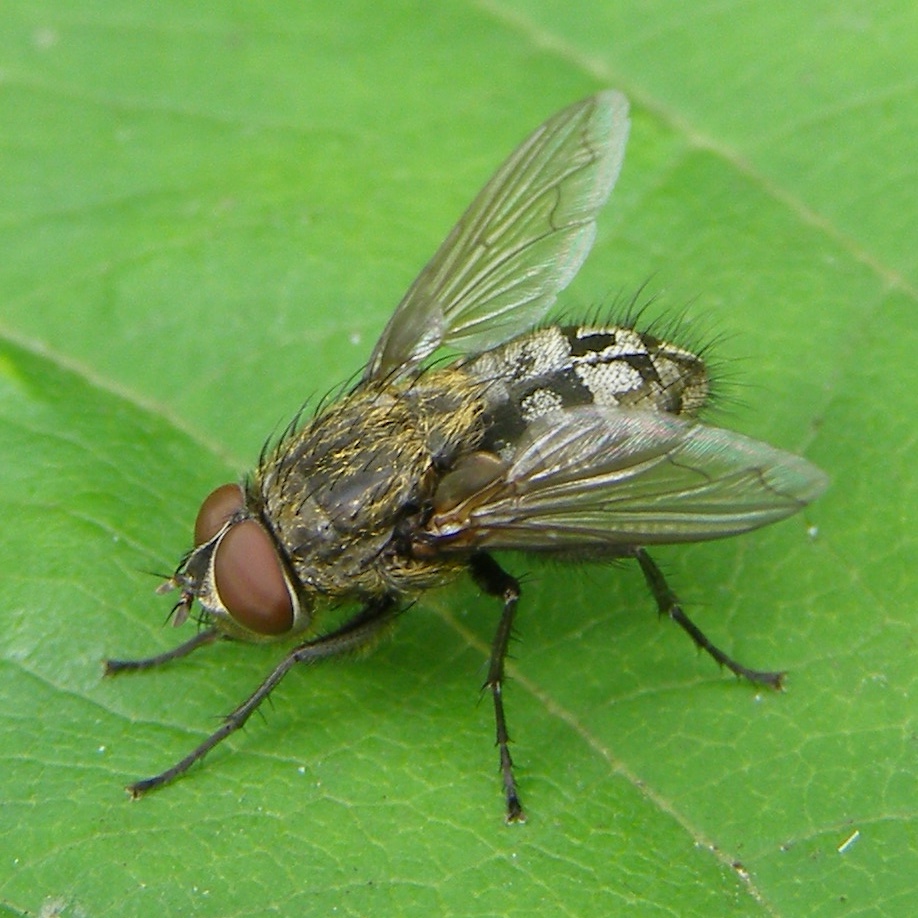
House Fly
Blow Fly
Fruit Fly
Cluster Fly
- gray with 4 black stripes on thorax
- 5–7 mm
- feeds on garbage/feces
- spreads disease
- metallic green/blue/black
- larger (up to 16 mm)
- robust body
- breeds in rotting meat/carrion
- tan/brown with red eyes
- tiny (3–5 mm)
- attracted to overripe fruit/fermenting liquids
- grayish with golden hairs
- ~7 mm
- slow-moving
- parasitizes earthworms
- gathers in clusters indoors in winter
If you’re dealing with crawling insects instead, click below to visit our Insect Control page.
Physical or Chemical methods?
The most effective fly control programme depends on the environment, the level of activity and the risk of contamination. While chemical insecticides can be highly effective in some situations, there are many areas – especially food preparation environments – where physical barriers, glue traps and electronic fly control units are more suitable.
CSS Pest Services assesses each premises individually to recommend the most appropriate physical or chemical products for your situation. This allows us to deliver fly control that is practical, compliant and suited to the way your premises operates.
By combining proofing, monitoring, reporting and treatment where appropriate, we provide a complete fly control service that helps protect hygiene standards, reduce infestation risk and support compliance across your site.
Explore our range of fly control services below:
OUR SERVICES
FLY SCREENS & DOORS
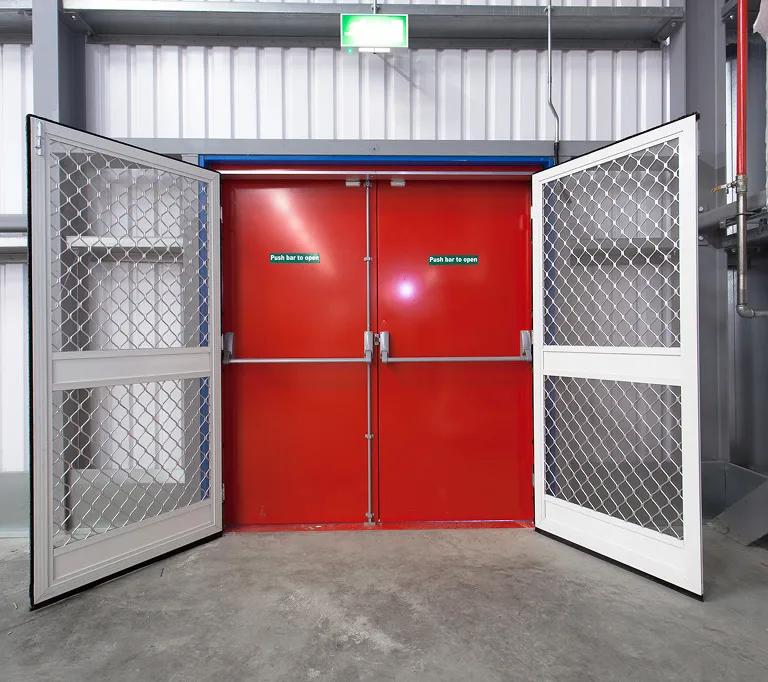
Fly screens and doors provide a highly effective physical barrier that helps stop flying insects entering your premises without the need for chemicals. This makes them especially suitable for food preparation and production areas, where contamination risks must be tightly controlled and hygiene standards maintained.
Our made-to-measure fly screens fit over existing openings and use fire-retardant PVC-coated fibreglass mesh, allowing them to be removed easily for cleaning and maintenance. We also supply and install fly doors, including chain, roller and magnetic options, with chain doors proving especially durable in busy commercial kitchens and other high-traffic areas.
By keeping insects out at entry points, fly screens and doors provide a long-lasting and practical solution that works especially well in combination with traps and electronic fly control units.
© Safety Screens
© Killgerm
FLY CONTROL UNITS
Fly control units are an essential part of an effective fly management programme, particularly in food preparation areas such as pubs, restaurants, bars and commercial kitchens, best used in combination with physical barriers.
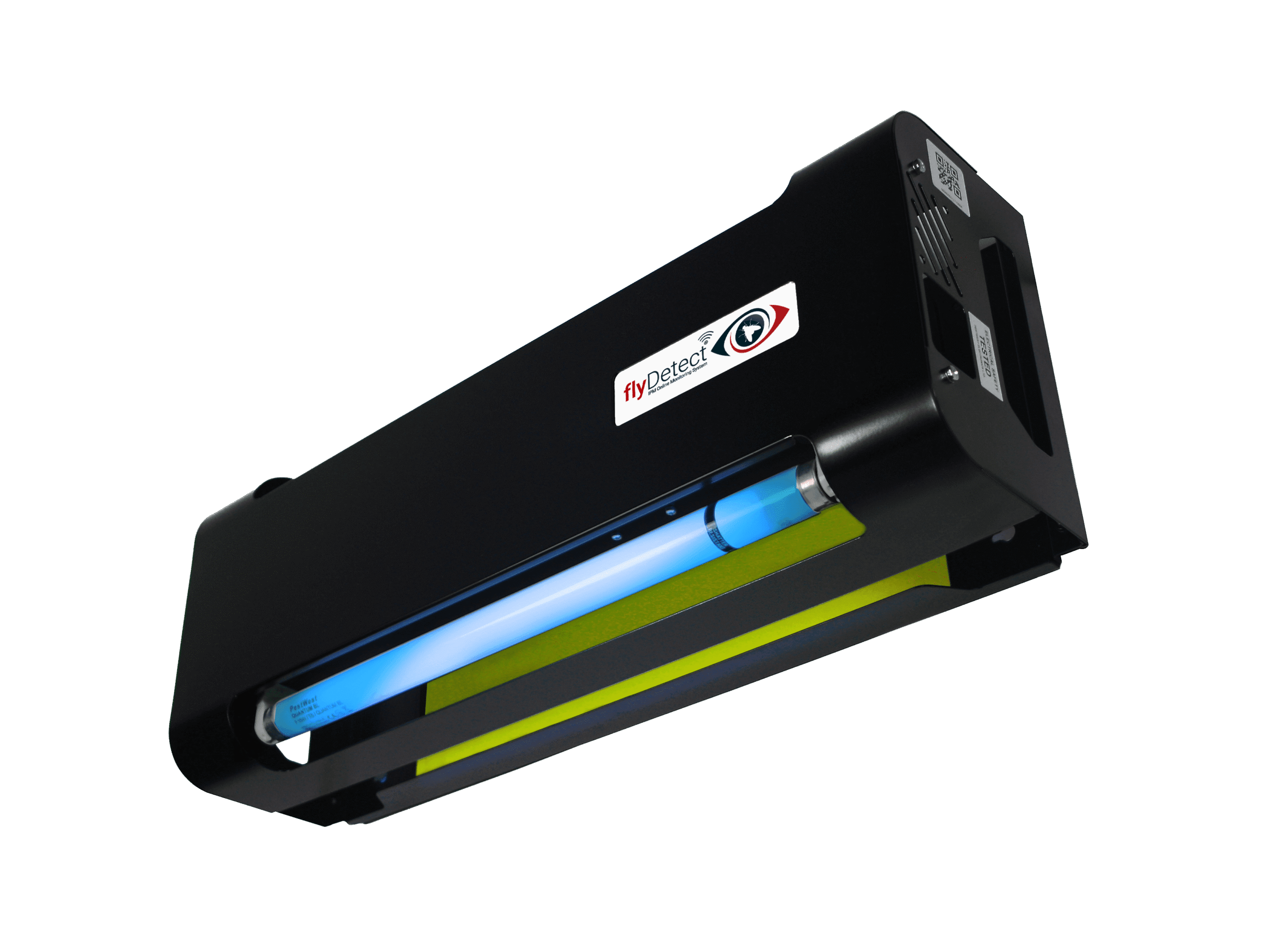
We offer both electric fly killers and glue board fly units, with a wide range of models available to suit different premises, risk levels and room sizes. CSS Pest Services can recommend the most appropriate unit for your environment, and units are available to buy or rent depending on your requirements.
To ensure the best performance, we also provide regular cleaning, servicing and maintenance, and we are experienced in servicing and repairing most makes and models of existing fly killer units.
GLUE TRAPS & MONITORING
Traps are a vital part of thorough fly control because they help monitor activity levels and identify the exact pest species present on site. Accurate monitoring allows treatment to be better targeted and gives you a clearer understanding of where insect activity is coming from within the building.
Precise placement of glue traps can also contribute directly to control, particularly for certain fly species and in sensitive environments where chemical use may not be appropriate. In food premises and hygiene-critical areas, monitoring data can play an important role in demonstrating a proactive pest prevention approach.
Used properly, glue traps support both immediate control and longer-term prevention by identifying patterns of activity, hotspots and recurring problem areas.

© Killgerm

CATCH TRAY ANALYSIS
For businesses that require a higher level of monitoring and reporting, we can include detailed catch-tray analysis in your regular service reports. This involves counting and identifying the insects found on your premises so that activity can be tracked accurately over time.
Our reports can show insect numbers by location and frequency, relate findings to set tolerance levels, and map the distribution of common species found throughout your building.
Our comprehensive reporting creates an on-site pest prevention record that demonstrates due diligence for inspections. For food businesses and other compliance-driven environments, clear records and species identification provide valuable evidence that fly risks are being actively monitored and professionally managed.
CONTACT US
Fill the contact form below or visit our Get In Touch page to alert our expert team about your problem. We will contact you as soon as possible to arrange the next steps.